

Washington, October 19, 2026
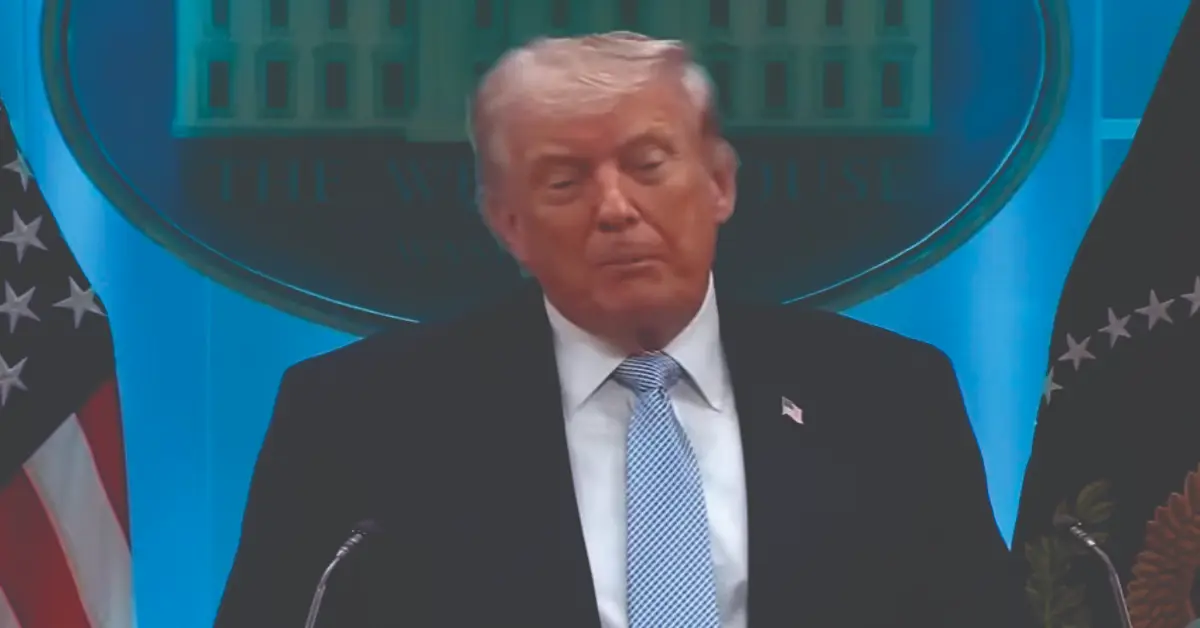
President Donald Trump said his decision to waive sanctions and tariffs tied to Russian exports is an effort to keep Russia at the negotiating table, in a Truth Social post on Sunday. Trump described his decision on Russia as “very simple” and said he is negotiating peace between Russia and Ukraine. He said he did not want to take steps that would push Moscow away from talks.
What Trump waived
Trump signed an executive order on Friday waiving new sanctions and tariffs on Russia required under a law named after the late Sen. Lindsey Graham. He did so two days before they were due to take effect. The order waives every operative section of the law that concerns Russia. That includes tariffs of up to 500% on all Russian goods and tariffs of up to 100% on the top five buyers of Russian crude oil and natural gas. It also waives requirements to sanction foreign banks that do significant business with Russian state-owned banks, and bans on purchasing Russian sovereign debt and on U.S. investment in Russia.
The order does not affect sanctions imposed earlier by executive order. It does waive the provision that required those sanctions to stay in place, which clears the way for the president to act unilaterally on them too. The waivers remain in force until the president or the secretary of state decides further action is warranted.
Background: the Graham law and the diesel deal
The Graham Sanctioning Russia and Iran Act of 2026 passed the Senate 86–11 on August 7, passed the House 262–159 on September 16, and was signed by Trump on September 18. Graham died suddenly in July after lobbying heavily for the law, which mainly targets Russian officials, oligarchs, banks and the “shadow fleet” of tankers used to evade sanctions.
Bloomberg reported that the tariffs complicated Trump’s push to lower diesel prices ahead of the U.S. midterm elections. Last week the Treasury Department’s Office of Foreign Assets Control issued a general license through April authorizing the import of Russian diesel into the U.S. Under that deal, Russia would supply hundreds of thousands of tons of diesel to the U.S. and global markets. Without the waiver, the law would have required tariffs on Russian petroleum products and sanctions on ships carrying them. This is the second time in two weeks that Trump has waived sanctions on Russia.
White House position
White House spokesperson Taylor Rogers said enforcing the sanctions now would impede ongoing U.S. efforts to negotiate a durable peace agreement. She added that the president can use these authorities at any time.
Reaction
The move drew criticism from both parties. Senate Democratic leader Chuck Schumer said Trump had given Putin a birthday gift. Republican Sen. Thom Tillis called the decision “beyond irresponsible.” Republican Sen. John Cornyn said Graham “would be appalled.” McConnell, Tillis, Collins and Cornyn had urged Trump on Tuesday to rescind the diesel deal and enforce the sanctions. Republican Rep. Thomas Massie, who voted against the bill, welcomed the waivers.
Ukrainian President Volodymyr Zelenskyy said the decision “seems wrong” and only helps Russia. He said it encourages Moscow to keep fighting and “does not stop the war.” Rep. Don Beyer, a Democrat, said the waiver betrays Ukraine’s partners and defies the intent of Congress.
A shifting position
Trump’s stance has moved over time. In January 2025 he threatened high taxes, tariffs and sanctions on Russian exports if no peace deal was reached soon. In August 2025 he said that within two weeks he would decide between massive sanctions and tariffs or doing nothing. Since then he has leaned toward easing pressure while talks continue.
What comes next
A Moscow Times headline reported that Secretary of State Marco Rubio said Trump may take up to 60 days to weigh Russia sanctions. I could not retrieve the full text of that report, so the details are not confirmed.