

Washington, October 19, 2026
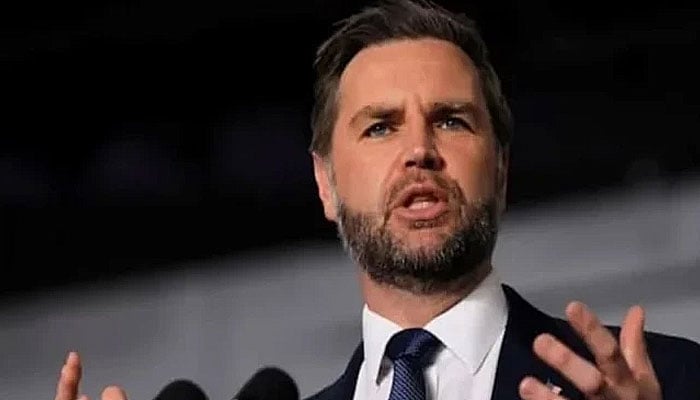
US Vice President JD Vance has acknowledged a number of mistakes and fundamental failures in the handling of the Iran war. He made the remarks while answering questions about the conflict’s rising human and economic costs at a CBS News town hall.
The program, “Things That Matter,” aired Saturday, October 17. It was hosted by CBS Evening News anchor Tony Dokoupil, with Michigan voters asking questions about the war and the cost of living.
A Widower’s Challenge
Vance’s admission came in response to Joey Amor. His wife, Army Reserve Master Sgt. Nicole Amor, was among six US soldiers killed by an Iranian strike on a military site in Kuwait in the opening hours of the war. Amor said that although an Iranian drone killed his wife, many mistakes and fundamental failures led up to it. He also questioned reports that the facility had not been adequately secured.
Vance said that sometimes information doesn’t filter up to him, and pledged to take every failure extremely seriously. He conceded that decisions about where troops were stationed involved a “huge mistake” that could have been done better, and said changes have since been made. He also pointed to the growing threat from cheap drones, saying the military has adjusted its tactics to better protect personnel.
On “Decisive Victory”
Asked why Washington has not secured the decisive victory President Trump initially promised, Vance said the US has “in some ways” won decisively. He acknowledged the outcome also depends on Iran’s actions, saying “the enemy gets a vote.” He defended the administration’s strategy, saying Washington is seeking a final, firm commitment from Iran that it will not rebuild its nuclear program.
He also admitted gas prices are “too high right now,” and linked the increase largely to the war and energy disruption.
Background
The war began on February 28, 2026, when the US and Israel launched coordinated strikes on Iran. The opening attacks killed Supreme Leader Ali Khamenei and much of the senior leadership. Iran retaliated with hundreds of missiles and thousands of drones across the region.
On March 1, an Iranian drone hit a tactical operations center at Kuwait’s Port Shuaiba, killing six Americans and injuring more than 20. It was the deadliest attack on US forces since the 2021 Abbey Gate bombing in Afghanistan. The site was described as makeshift and relatively unprotected. Logistics units had been moved there from nearby Camp Arifjan under a dispersal strategy meant to limit casualties from Iranian retaliation. An internal memo suggested Iranian intelligence may have tracked US personnel movements there before the war began.
At least 21 US service members have now been killed and hundreds wounded. Gen. Dan Caine, chairman of the Joint Chiefs, has said most US casualties came from Iranian attack drones.
Political Pressure
The war has stirred unease among Republicans, some of whom see it as at odds with the “America First” approach. In March, Trump said Vance was “philosophically a little bit different” than him at the outset, though he dismissed the idea of a disagreement.
The town hall aired weeks before the November 3 midterm elections, and Vance has since faced criticism online over his answers.